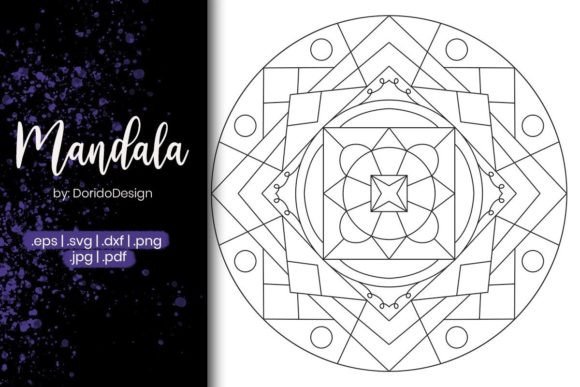
Classic Line Art Coloring Page Graphics & Amp Review
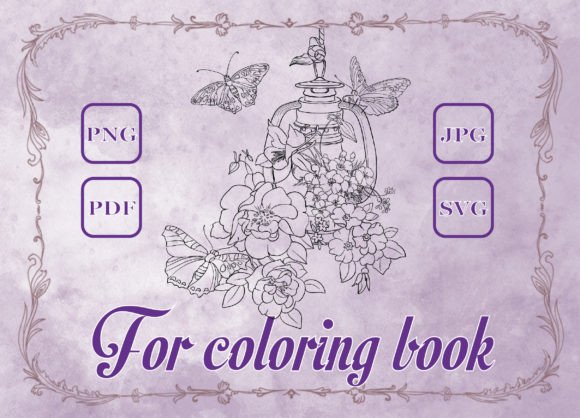
When I first opened the zipped folder for Classic Line Art Coloring Page, the clean 4000 by 4000 pixel canvas immediately told me this was built with commercial printing in mind. The file includes four formats inside one organized download: a printable PDF, a high-resolution JPG, a transparent PNG, and a scalable SVG. Right away, that combination signals a graphic design asset ready for multiple selling channels, not just a single-use printable.
From a seller's perspective, the floral line art carries a refined, calming personality. The composition feels versatile enough to sit inside a modern minimalist brand kit or a more ornate botanical collection. It leans feminine but not overly delicate, which broadens the audience. I could see this attracting buyers looking for grown-up coloring pages, wedding stationery designers, or KDP authors assembling low-content interiors. The mood is quiet, intentional, and commercially flexible.
First Impressions and Visual Personality
The line weight appears consistent across the flower illustration, which matters when you start resizing for different products. Thin, spidery lines can disappear on a mug print or become jagged on a tote bag. This design feels sturdy enough to hold up on fabric, yet detailed enough to work as a framed printable design on matte paper. The floral subject is universally appealing, and the classic black-and-white line art style means it slots easily into seasonal bundles, Mother's Day collections, or everyday mindfulness coloring kits.
What struck me most was the breathing room in the composition. The flower sits centered with enough negative space around it to add text, layer with other design assets, or place inside a Canva frame without awkward cropping. That kind of layout awareness saves time when you are building templates or mockups under a deadline.
Who This Asset Appeals To
After testing visual previews on my own screen, I could immediately picture a few buyer profiles. The first is the Etsy seller curating a coloring book bundle. The Classic Line Art Coloring Page fits neatly into a set of 20 or 30 pages without repeating a mood. The second is the print-on-demand shop owner testing a single-subject tote bag or pillow cover. The third is the Cricut user who needs a clean SVG for vinyl decals or heat transfer projects. The transparent PNG also opens the door for sticker design creators who want a ready-to-print element with no background cleanup required.
For KDP publishers, the included PDF format means the page can be dropped directly into a no-content or low-content interior. The square dimensions align well with standard coloring book trim sizes, and the resolution leaves plenty of room for slight resizing without pixelation. This is the kind of commercial design that reduces friction between download and publish.
Real Product Applications Worth Testing
Before listing any digital product in my own shop, I run it through a small batch of mockup scenarios. Here is how this asset performed across the formats I tested:
- Printable wall art: The JPG and PDF printed cleanly on 8.5 by 11-inch cardstock. The lines stayed crisp, and the flower held visual weight on a gallery wall mockup.
- T-shirt graphic: Using the PNG with transparency, I placed the design on a light heather gray tee. The contrast was strong, and the line art style gave it a hand-drawn, artisan feel.
- Cricut vinyl decal: The SVG imported into Cricut Design Space with clean cut lines. I did notice one small node cluster near a petal curve that required a quick simplification, but nothing that broke the design.
- Mug design: On an 11-ounce white mug template, the illustration held its shape well. The square format meant I had to crop slightly for the wrap area, but the 4000-pixel width gave me enough canvas to work with.
- Greeting card: Paired with a soft script font, the flower became a elegant front-cover element. The empty space around the bloom invited a short sentiment without crowding.
- Canva template element: Dropping the PNG into a Canva frame for social media graphics worked smoothly. The transparency made layering over a pastel background effortless.
These tests confirmed that the Classic Line Art Coloring Page is not a one-trick printable. It behaves like a flexible illustration asset that can move across physical merchandise, digital downloads, and creative marketplace listings with minimal extra editing.
Where the Design Shines Brightest
This asset performs best in products where the line art itself is the hero. Large-format prints, single-subject coloring pages, and decorative merchandise all benefit from the generous canvas size. The 4000-pixel square means you can confidently use it in product mockup previews at full resolution without that dreaded soft-focus look that comes from upscaling a smaller file.
Bundle curation is another strong use case. Because the flower has a timeless botanical feel, it pairs well with other nature-themed clipart and line art illustrations. I could see it anchoring a spring collection, a floral-themed wedding stationery kit, or a set of mindfulness coloring pages for adults. The style is cohesive enough to lead a themed bundle but neutral enough to complement other designs without clashing.
For small business branding, the line art aesthetic continues to trend across boutique packaging, thank-you inserts, and logo accents. A handmade soap seller, for instance, could use the PNG version on a product label to add a botanical touch without commissioning custom artwork. The commercial license flexibility makes this kind of end-use viable without legal headaches.
Where Caution Is Needed
No single graphic design asset works everywhere, and this one has a few practical limits. First, the square format means rectangular products like wide-format banners or horizontal book interiors will require cropping or border extensions. The design itself does not tile or repeat, so extending it is not straightforward without illustration skills.
Second, the SVG cut quality, while solid, is not optimized for extremely tiny cuts. If you are creating a small sticker sheet where the flower shrinks below two inches, some of the finer petal details may become difficult to weed. I would recommend testing a sample cut on your specific machine before committing to a large batch of small decals.
Third, the line art style, by nature, relies on high contrast. On dark backgrounds, the black lines will disappear unless you invert the colors or use a white version. The download does not include an inverted file, so you will need to adjust the PNG or SVG yourself if you plan to sell merchandise on dark substrates.
Fourth, for t-shirt design specifically, the thin lines might feel too delicate on heavily textured fabrics. A soft cotton blend holds the detail better than a coarse canvas tote. Test prints matter here more than they would for a bold graphic tee design.
Seller Notes and Pre-Listing Checklist
Before I publish any product using this asset, I run through a mental checklist that has saved me from customer service headaches more than once. Here is what I recommend for the Classic Line Art Coloring Page:
- Test on real mockups: Use Placeit, Smartmockups, or your own photographed mockups to see how the flower reads at thumbnail size. Marketplace buyers often decide in two seconds based on the preview image.
- Preview as a marketplace thumbnail: Shrink the image to Etsy or Creative Fabrica thumbnail dimensions. Does the flower still read clearly? If the lines blur together, you may need to increase contrast slightly before uploading.
- Check on white and dark backgrounds: The transparent PNG should be tested on both extremes. A design that looks stunning on white can vanish on black, and vice versa.
- Test print colors: Print the JPG or PDF on your home printer, even if you sell digital files. This gives you a real-world reference for how customers will experience the page.
- Verify PNG transparency: Open the file in a program that supports alpha channels and confirm there is no white box hiding behind the illustration.
- Inspect SVG cut quality: Import into Cricut Design Space or Silhouette Studio. Look for stray nodes, unclosed paths, or overlapping cut lines that could cause drag during weeding.
- Confirm file resolution: The 4000-pixel square is generous, but check the DPI settings in the PDF for print quality. A 300 DPI equivalent is the standard for professional printing.
- Organize files clearly for customers: Rename the unzipped files with descriptive, customer-friendly titles before re-uploading. A file named "flower-line-art-printable-01.png" builds more trust than "IMG_4829_final_v2.png."
- Pair with font styles: Test the illustration with a serif font for an elegant invitation look, a sans serif for modern branding, a script font for wedding stationery, and a handwritten font for a casual, personal feel. The flower adapts surprisingly well to each pairing.
- Confirm commercial licensing: The product description states personal, commercial, and KDP usage is allowed. Still, I keep a copy of the license terms saved with the original download folder for my records.
How the File Formats Support Different Selling Models
The four-format structure inside the zipped download is a thoughtful touch that speaks to the product creator's understanding of how sellers actually work. Let me break down why each format matters for a digital download business:
The PDF is the plug-and-play option for KDP interiors and printable coloring page shops. Customers expect a print-ready file they can open without additional software. The JPG works well for quick previews, social media posts, and sellers who want to showcase the design on a product mockup without dealing with transparency. The PNG is the workhorse for Canva template creators, sticker makers, and anyone layering the design over colored backgrounds. The transparent background means no manual clipping or background removal. The SVG is the essential format for Cricut and Silhouette users, and having it included alongside the raster formats makes this a more complete design bundle than many competing listings.
For a print-on-demand workflow, I lean on the PNG and JPG most heavily. For a creative marketplace listing on Creative Fabrica or Design Bundles, I would highlight all four formats in the product description to capture both crafters and print-focused buyers. The versatility across formats is a genuine selling point, not just filler text.
Building a Cohesive Product Collection
One of the smartest ways to use an asset like this is as the foundation for a larger product line. I have done this with botanical illustration packs before, and the strategy works. Start with the single coloring page as a low-priced entry point. Then create a bundle of five or ten coordinating floral line art pages. Then add a matching set of social media graphics templates featuring the artwork. Then offer a commercial license upgrade for buyers who want to use the designs on physical merchandise.
The Classic Line Art Coloring Page has the visual consistency to anchor this kind of product ladder. The flower subject is broad enough to theme an entire spring collection, a self-care bundle, or a botanical stationery set. When I evaluate a commercial design for long-term use, I ask myself: can I build at least three related products around this? With this asset, the answer is yes.
From a brand identity perspective, the black-and-white line art aesthetic also creates a cohesive look across listing images. When a buyer scrolls through your shop and sees a consistent visual hierarchy across thumbnails, they are more likely to trust the quality of the entire collection. That perceived value translates directly into higher click-through rates and bundle purchases.
Final Practical Takeaways
After spending time testing, mocking up, and thinking through the commercial applications, I would classify the Classic Line Art Coloring Page as a dependable, well-prepared Coloring Pages Amp asset that earns its place in a seller's toolkit. The 4000-pixel square canvas, the inclusion of four practical file formats, and the clean, adaptable floral illustration make it suitable for Etsy products, KDP interiors, Cricut projects, and print-on-demand merchandise alike.
The areas that require attention are the SVG cut complexity for tiny decals, the need for manual inversion on dark backgrounds, and the square format's limitations on wide rectangular products. None of these are dealbreakers. They are simply the kind of practical considerations that separate a rushed listing from a professional, customer-ready product.
For the price point these types of Coloring Pages Amp Graphics typically sell at, the value sits in the resolution and format variety. Sellers who take the time to test across mockups, pair thoughtfully with fonts, and organize the files cleanly will get the most mileage out of this graphic design asset. The flower itself does the heavy lifting visually. The rest is in how you choose to package and present it to your specific audience of crafters, coloring enthusiasts, and creative buyers.