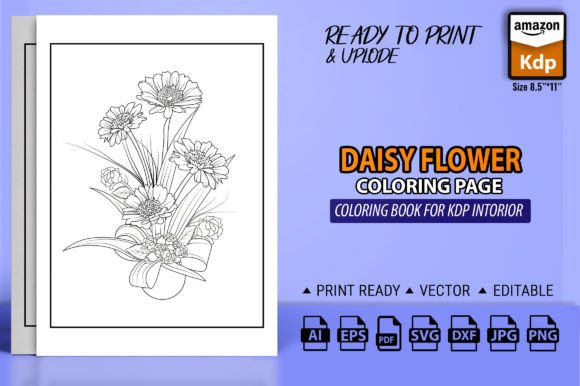
Daisy Flower Coloring Page Book: A Graphic Asset for Crafting Warm Brand Narratives
When reviewing the Daisy Flower Coloring Page Book as a brand designer preparing for a local artisan soap project, my first impression is one of gentle, organic charm. The floral illustrations suggest a brand personality that is approachable, handmade, and softly feminine. This isn't a stark, minimalist asset; it evokes warmth and a connection to nature, making it ideal for businesses seeking a friendly, decorative aesthetic. For a boutique candle maker, a skincare brand using botanicals, or a quaint bakery, these graphics can immediately signal a focus on natural, crafted quality.
The Mood Is Set: From Packaging to Promotional Harmony
This design asset creates a cohesive mood that can be woven throughout a customer's experience. Imagine a honey-infused skincare line: the daisy motifs from the Daisy Flower Coloring Page Book could adorn the primary product label, appear subtly on the outer packaging box, and feature on the accompanying thank-you card. This visual repetition builds a stronger first impression and clearer product recognition. For a local florist or a home decor shop, these elements can transform a simple price list or a flyer into a piece of brand-aligned editorial design, fostering a more consistent brand identity.
Practical Applications in Local Business Design
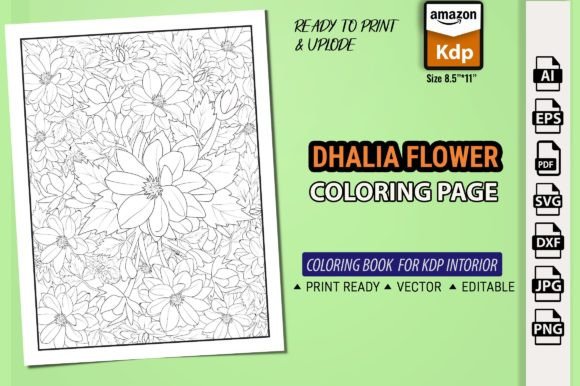
In real-world small business branding, versatility is key. This graphic design asset, given its vector origins and 8.5x11 format adaptability, can be strategically applied across numerous touchpoints. Consider these specific uses:
- Product Labels & Packaging Accents: Individual daisy illustrations can become focal points on soap wrappers, candle jars, or food product labels, improving shelf appeal.
- Brand Collateral: Elements work beautifully as decorative borders on business cards, menu graphics, or hang tags for handmade jewelry.
- Promotional & Digital Presence: Larger compositions can serve as hero graphics for social media campaign banners, website headers, or promotional ad visuals.
- Printable Brand Enhancements: For a more polished customer experience, use them on printable inserts inside orders, as motifs on thank-you cards, or as themed stickers for seasonal packaging.
Where This Asset Strengthens Business Presentation
Utilizing such coherent illustrations supports professional branding in tangible ways. A cohesive suite of graphics derived from the Daisy Flower Coloring Page Book can lead to more professional packaging that tells a story. It builds a stronger emotional connection—a customer picking up a candle with a delicate daisy illustration feels a curated experience, not just a transaction. This polish extends to marketing visuals, making social media graphics and product mockups look intentionally designed, which in turn improves customer trust in the brand's quality.
A Designer's Notes on Strategic Implementation
While the asset is versatile, its application requires thoughtful design strategy. Here are practical notes from a commercial design perspective:
- Test Early and Often: Always place the graphic on real packaging mockups. Preview how a single daisy looks on a very small label—does it remain clear?
- Context is Crucial: Test the illustrations beside your chosen brand typography. How does it pair with a clean sans serif font versus a playful script? Does it compete with essential text like ingredients or legal information?
- Technical Checks: Leverage the vector format for precise editing and scaling. Confirm print quality at different sizes and review PNG transparency for digital overlays. Crucially, always confirm the commercial license covers your intended use for physical product sales and client work.
- Competitive Awareness: Compare your branded product using this asset against competitor packaging on a shelf. Does it create the desired distinct, yet appropriate, visual hierarchy?
Optimal Use Cases for Maximum Impact
The Daisy Flower Coloring Page Book works best as a decorative brand element rather than a central logo. Its strength lies in accenting and enhancing. Prime applications include product labels where the graphic can be a hero image, packaging accents like foil stamping or corner designs, and promotional banners for seasonal campaigns—think a "Spring Bloom" collection for a boutique. It’s excellent for creating a suite of boutique visuals, from in-store posters to coordinated social media graphics, building a recognizable world around your product.
Scenarios Requiring More Careful Application
There are contexts where this asset should be used sparingly or adapted. Avoid using it in areas crowded with critical text, such as dense nutritional panels on food labels. It may not align with the aesthetic of a luxury minimalist brand seeking stark elegance. On low-contrast backgrounds, the details might get lost. The decorative nature means it shouldn't dominate formal corporate branding where clarity is paramount. The key is to let it support, not overshadow, the core brand message and information.
Building a Trustworthy Brand from a Single Graphic Seed
For the small business owner, marketer, or packaging designer, a resource like the Daisy Flower Coloring Page Book is a seed. When planted thoughtfully across your brand's landscape—from the physical product label to the digital ad—it grows into a consistent visual identity. This consistency is what turns a first-time buyer into a recognizer of your brand, fostering loyalty. It allows a local soap maker, a coffee shop, or a children’s product brand to present itself with the same cohesive professionalism as a larger company, but with a unique, handmade heart. In the end, these graphics aren't just decoration; they are silent ambassadors for your brand's story and quality.