Evaluating Sugar Skull Graphics for Real-World Design Projects
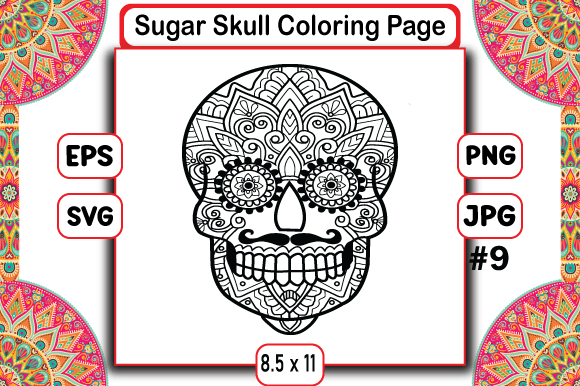
When a new design asset lands in my library, my first question is always: can I rely on this for a client? My initial impression of Sugar Skull Coloring Pages 9 is that it’s a vibrant, culturally rich collection. The mood is celebratory, intricate, and artistic, evoking a sense of tradition layered with playful creativity. It leans into a decorative, handcrafted style that feels authentic, not generic. This immediately suggests it fits clients rooted in handmade businesses, cultural events, boutique product lines, or any brand wanting to connect with a audience through detailed, meaningful ornamentation.
The Versatility of Detailed Sugar Skull Graphics in Commercial Design
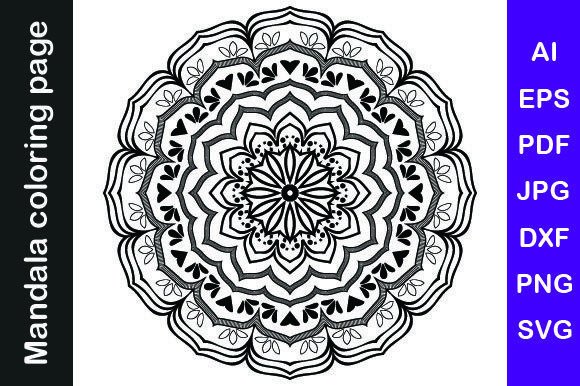
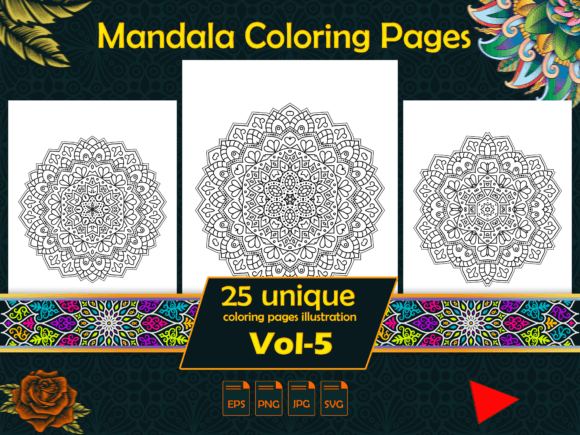
In practical terms, I’ve tested similar assets across countless projects. For a client launching a seasonal Dia de los Muertos product line—perhaps a small batch of artisanal candles or a curated Etsy shop—this collection could be the entire visual backbone. The individual pages aren’t just for coloring; they are complete graphic design assets. I envision using the vector EPS or SVG files to craft a cohesive brand identity: a simplified skull element becomes a logo stamp, intricate floral details become repeating patterns for product labels and packaging design, and more complex scenes become hero graphics for website banners or editorial features in a blog.
Where This Asset Excels: Creating Cohesive Visual Systems
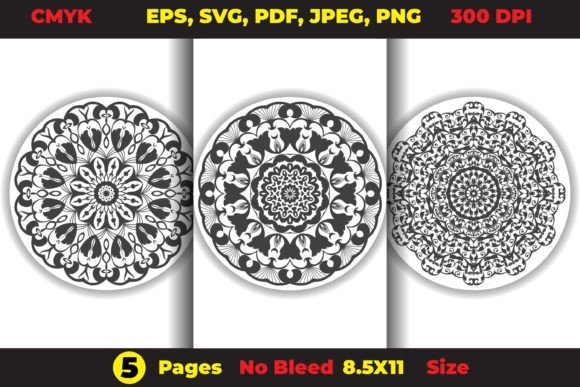
Its strength lies in building themed collections. You can pull different skull designs for a series of social media graphics, ensuring each Instagram post or Pinterest pin is unique yet instantly recognizable. For printable designs like event invitations or workshop posters, the high-resolution JPGs ensure crisp print quality. The PNGs, assuming they have clean transparency, are perfect for layering onto digital ads or Canva templates without awkward white backgrounds. For physical products, the SVG files are gold for Cricut projects, enabling precise cutting for sticker designs, tote bags, or t-shirt design appliqués. This isn’t a one-off clipart; it’s a system of illustrations that can dress an entire campaign.
Navigating Design Hierarchy with Complex Illustrations
However, professional use demands careful judgment. The intricate detail is a gift and a constraint. These graphics work best as decorative accents or focal points in large layout areas. On a product mockup for a mug, where the skull is the central art, it shines. On a busy flyer crammed with text and multiple offers, it could become visual noise, harming readability. For minimalist branding aiming for a clean, modern design feel, this asset would likely clash. It demands space and respect.
Practical Checks Before Client Delivery
My standard designer notes for such an asset are rigorous. First, confirm the commercial license explicitly. Then, test everything. How does a key element look in pure black and white for potential one-color printing? Check contrast by placing a PNG on both light and dark backgrounds—do fine lines vanish? Preview key motifs at small sizes, like on a social media profile icon; some detail may need simplification. For print-on-demand applications, run a test print to see if the JPG’s resolution holds up on fabric or paper. Crucially, open the SVG in your vector software to inspect editability; can you easily recolor elements to match a client’s brand palette? This last point is often the difference between a flexible design asset and a static image.
Building Audience Engagement Through Emotional Design
Ultimately, the value of Sugar Skull Coloring Pages 9 for a client project is emotional. It injects a specific, warm, and artistic mood. For a small business branding itself around craftsmanship or cultural storytelling, these graphics build visual trust and authenticity. They feel polished and deliberate, not hastily sourced. When paired with a complementary font style—perhaps a clean sans serif for balance or a subtle script for harmony—the overall design gains professional cohesion. It can elevate a simple product launch into a visually engaging event. For marketers and content creators, it provides a ready-made library of illustrations to sustain a long-term campaign, from blog visuals to packaging details.
The Final Professional Verdict for Designers
This collection is a specialized tool. It won’t suit every project, particularly those requiring stark, corporate professionalism. But for the right client—a handmade business, a cultural event planner, a digital seller focusing on sublimation design or printable wall art—it is remarkably useful. It offers multiple file formats for versatility across web design, commercial design assets, and physical products. By handling it with design sensitivity—respecting its complexity, testing its limits, and integrating it thoughtfully into a brand’s visual hierarchy—you can create work that feels both creatively rich and commercially solid. That’s the hallmark of a truly valuable graphic design asset.