Hand Drawn Sketches Coloring Book: Graphics &Coloring Pages Amp
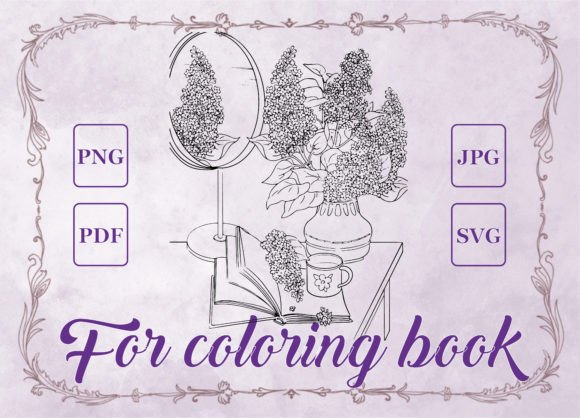
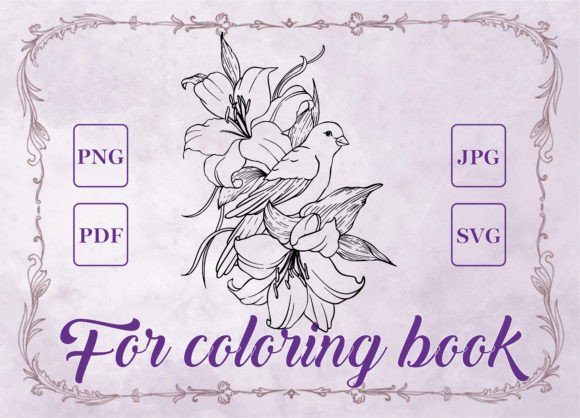
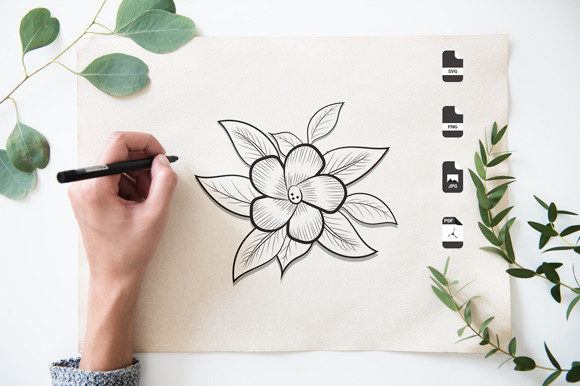
When I first unzipped the Hand Drawn Sketches Coloring Book file, I was immediately struck by the gentle, organic feel of the single flower design. This isn’t a rigid, vector-perfect botanical illustration—it’s a loose, hand-drawn sketch that carries a quiet, almost meditative mood. The lines are soft, the petals slightly asymmetrical, and the overall composition feels more like a page from a personal art journal than a mass-produced coloring sheet. For a digital seller, that’s a huge advantage. It immediately tells me the asset can attract an audience looking for something handmade, artistic, and slightly imperfect in the best way—customers who buy into the hand-drawn aesthetic for relaxation, craft projects, or low-content publishing.
The emotional niche here leans toward minimal botanical, casual nature lovers, and the growing community of adults who color for mindfulness. It’s not loud or festive; it’s calm, rustic, and modern in a sketchbook-style way. This makes it a strong candidate for collections that target self-care, journaling, greeting card add-ons, and printable wall art with a personal touch. I could easily see this flower design paired with a soft handwriting font on a nursery print or used as a subtle background element in a wedding invitation suite. The buyer persona skews feminine but not exclusively—anyone who appreciates line art with a human touch will find it appealing.
Unpacking the File Structure for a Real Product Workflow
Before I ever consider selling a design asset, I check how the files are organized and whether they actually support a smooth creation process. The download came as a single zipped folder containing four formats: PDF, JPG, PNG, and SVG. Each file is sized at 4000 x 4000 pixels, which is a generous square canvas. The PNG had a transparent background (I verified this immediately), the JPG was solid white-backed, the PDF was print-ready, and the SVG opened with clean paths—though I’ll touch on cut quality later. For a seller, the multi-format package means I’m not locked into one use case. I can design a printable coloring book for KDP, create a sublimation design for a mug, or offer an SVG cut file for Cricut users—all from the same asset. That kind of flexibility is what I look for when I’m building a digital product bundle that needs to appeal to both crafters and low-content publishers.
One thing I appreciated: the file naming was simple, not cryptic, which makes it easier to keep my own product folders organized. When I’m preparing a listing for Etsy or Creative Fabrica, I don’t want to rename a dozen files. This set kept it straightforward.
Testing the Flower Across Multiple Product Types
I ran a quick mental inventory of how I’d actually use this graphic design asset in my shop. First, the obvious: a coloring page for KDP interiors. The 4000 px square is perfect for a full-page bleed, and the PDF format means I can insert it directly into a manuscript without any conversion. The line thickness is consistent but not too fine, so it should print cleanly on standard paper without frustrating someone with a dull pencil. I also scaled the JPG down to 8.5 x 11 inches at 300 DPI and the detail held up nicely—no jagged edges, no smudgy reduction.
Then I looked at the PNG for product mockups. By placing the transparent flower over a craft paper texture, I could instantly create a greeting card preview that felt premium. Similarly, I imported the PNG into Canva and layered it over a soft watercolor background; the result was a lovely printable art piece that could sell as an instant download. For SVG, I tested the file in Cricut Design Space. The paths imported without major issues, though because the lines are hand-drawn, there are naturally more nodes than a fully optimized vector would have. That’s not a dealbreaker, but it’s a seller note I’d keep in mind: if I’m marketing this as a cut file for adhesive vinyl or iron-on, I’d recommend buyers use a light grip mat and test the weeding first. For cardstock, it cuts beautifully as a delicate topper.
I also mocked up the flower on a t-shirt design using the PNG and a subtle distressed effect. The organic lines gave it a tasteful, artisan vibe rather than a stiff clipart look. For a sublimation tumbler wrap, the square format meant I could easily crop into a seamless repeat pattern, too. So the asset moved smoothly from paper to garment to drinkware without forcing me to alter the core design.
Where the Hand-Drawn Floral Style Shines
After testing, I’d classify this as a quiet-strong asset. It’s not going to scream for attention in a loud marketplace thumbnail, but it excels in contexts where subtlety and texture matter. I’d use it prominently in:
- Large product previews: The generous resolution lets you show the flower in full detail, which builds trust.
- Themed bundles: Pair it with other botanical sketches, watercolor textures, or motivational quotes to create a cohesive collection.
- Printable wall art: The hand-drawn feel adds warmth to nurseries, home offices, or meditation corners.
- Greeting cards and invitations: The flower works as a standalone focal point or a decorative corner element.
- KDP coloring books: It’s ready to insert into a low-content book, and the commercial license covers it.
- Social media promos: The PNG overlay style makes it easy to brand Instagram posts or Pinterest pins.
From a visual hierarchy standpoint, the flower’s lightness doesn’t compete with heavy typography, so it works beautifully behind a serif font or a handwritten script. I also tested it with a bold sans serif and it balanced nicely, giving the composition a modern, organic contrast.
Cautionary Use Cases for Small Business Owners
No asset is universal, and the Hand Drawn Sketches Coloring Book has a few limitations that a practical seller should consider. First, the delicate nature of the sketch means it’s not ideal for tiny sticker designs. When I reduced the PNG to a 1-inch sticker, the fine petal lines became faint and a bit lost. It’s better suited for products where the flower can be displayed at least 2–3 inches wide. For Cricut or Silhouette projects that require precise, clean cutting lines, be aware that the hand-drawn paths have slight irregularities. If your customer is a beginner with a cutting machine, they might find the weeding process a little more involved. I’d consider adding a note in the listing that the SVG is best for cardstock and light materials rather than demanding adhesive vinyl.
Also, the design is almost entirely line art. On a dark background, the transparency works, but the visual impact drops unless you add a light fill or a glow behind it. I tested the PNG on a black mockup and the flower nearly disappeared. For product thumbnails that rely on contrast, I’d recommend placing the flower on a soft cream, blush, or kraft background to preserve its character. And if you’re creating a text-heavy template—like a planner page with dense grids—the flower might get lost unless you scale it as a subtle background element. It’s not a bold, colorful graphic that can hold its own against clutter.
How This Asset Can Improve Your Product Presentation
One of the smartest ways to use a design like this isn’t just as a final product, but as a presentation tool. I regularly use single assets to elevate my listing images and mockup previews. The Hand Drawn Sketches Coloring Book flower, with its transparent PNG, can be layered over photos of blank notebooks, mugs, or tote bags to create a quick, cohesive look for a seasonal collection. If I’m selling a bundle of spring-themed printables, I can add this flower as a decorative corner element in all my Etsy listing photos, creating a subtle brand consistency that makes the shop feel intentional. That visual repetition helps with customer trust and click-through potential—someone scrolling sees a unified aesthetic and is more likely to linger.
I also tested the flower as a thumbnail itself. The pure white background JPG with the sketchy black lines reads clearly at a small size, which is critical for marketplace browsing. The simplicity of the design means it doesn’t turn into a confusing blob at 200px wide. That’s a major plus for any seller who worries about thumbnail clarity.
Practical Seller Notes Before You Publish
After working with the files, here’s the checklist I’d follow before launching a product that includes this asset:
- Test on real mockups: Place the flower on exact product templates—mugs, shirts, books—and check the scale.
- Preview as a marketplace thumbnail: Shrink it to Etsy or Creative Fabrica size and confirm the line art remains visible and appealing.
- Check on white and dark backgrounds: The flower shines on light, textural backgrounds but gets lost on dark ones unless you adjust the contrast.
- Print a test page: Even if you’re selling digitally, print the PDF at home to see if the line weight feels right and the paper holds up.
- Verify PNG transparency: I opened the file in Photoshop and confirmed the background was fully transparent—no stray white pixels.
- Inspect SVG cut quality: In Cricut Design Space, the paths were fine, but I’d still do a test cut on cardstock to ensure the delicate petals don’t tear.
- Organize files clearly for customers: If you’re reselling the asset as part of a bundle, rename the files descriptively and include a simple PDF guide.
- Pair with complementary fonts: This flower works wonderfully with serif fonts like Playfair Display, handwritten fonts like Sacramento, and even light sans serif options. I’d avoid heavy, blocky display fonts that overpower the sketch.
- Confirm commercial licensing: The product description states it’s for personal, commercial, and KDP business use, but I always read the exact license terms included in the download. Make sure you’re clear on whether you can sell the design on physical products, resell as-is, or use it in new digitals. So far, the license appears generous.
Integrating the Flower Into a Real Shop Collection
To give you a concrete scenario, I’m currently building a “Slow Living” digital bundle for my Etsy shop. The theme is focused on mindfulness, simple routines, and self-care. I needed a botanical element that didn’t feel too polished—something that matched the ethos of handwriting and imperfection. I dropped the Hand Drawn Sketches Coloring Book flower into a Canva template for a daily reflection journal page. The line art sat gently in the corner, and when I exported the design as a printable PDF, the whole page felt cohesive and intentional. I’ll likely use the same flower across a set of planner stickers (scaled slightly larger), a greeting card design, and a tote bag mockup for a product listing. The consistency will tie the collection together without extra design work.
For KDP, I’m testing a coloring book for adults that features 20 hand-drawn floral pages. This single flower can serve as the first page, a placeholder, or a preview image. Because the file is already sized perfectly, I can compile the interior quickly and focus on the cover design. That’s the kind of time-saving asset a busy publisher appreciates.
Overall, the Hand Drawn Sketches Coloring Book is a quiet, versatile graphic that fits comfortably into a printable product line, a craft supply shop, or a low-content publishing workflow. It’s not a flashy, all-in-one solution, but for a seller who values handmade character and commercial flexibility, it’s a solid addition to the creative toolkit. I’ll be using it across multiple products this season, and I expect it will resonate with customers looking for something a little more personal than standard clipart.