Mandalas in Stitches: A Designer’s Review
When you work with embroidery files day in and day out, you develop a quick sense for which designs translate beautifully from screen to thread and which might falter. Today, I’m thinking through Mandala Coloring Page Vol.16 from that very practical perspective. It’s labeled as a graphic and coloring page, but the question for any maker is: does this have the bones for a great embroidery project?
The First Impression: Where This Mandala Belongs
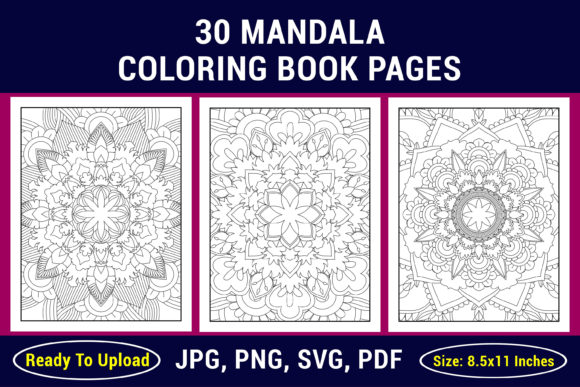
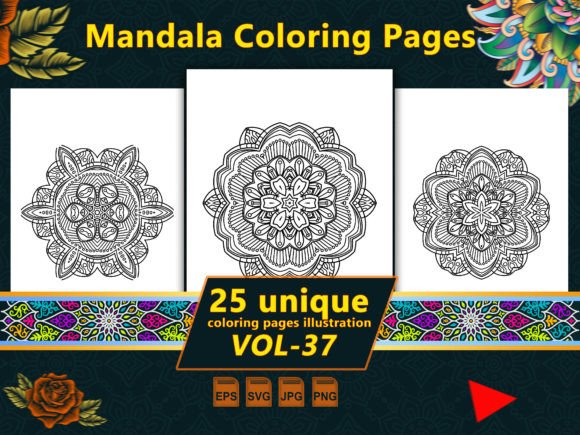
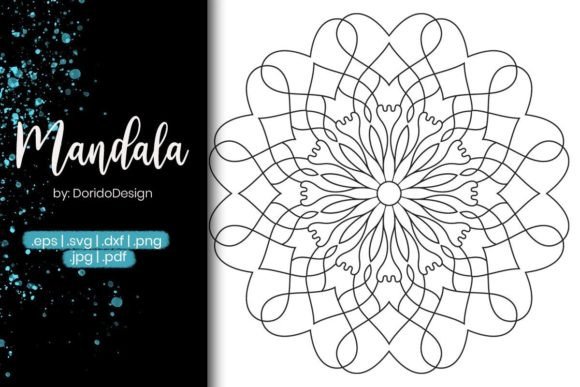
Opening this file, the mood is immediately clear: structured harmony. The circular, symmetrical layout of a mandala inherently feels balanced and meditative. This particular version has that classic, intricate personality—a series of layered patterns and details that promise visual depth. My designer mind doesn’t just see a coloring page; I see a potential focal point.
This isn’t a casual, scattered doodle. Its organized geometry suggests it belongs on items where that sense of calm, focus, or decorative elegance is desired. I picture it centered on a pillow cover for a cozy reading nook, or as a stunning feature on the back of a linen tote bag for a boutique customer. The theme feels versatile enough for a mindful gift, yet decorative enough for stylish custom apparel like a lightweight sweatshirt.
Real-Life Embroidery Scenarios: Where It Shines
Let’s walk through a real case. Imagine you’re preparing a custom embroidered tote bag for a client’s small shop. They want something unique, handmade, and visually engaging to sell at a craft fair. You load Mandala Coloring Page Vol.16. The key consideration is how those detailed lines will become stitches.
On a sturdy canvas tote, with proper stabilizer, this design could become a beautiful piece of art. The concentric patterns would allow for interesting play with thread colors—perhaps using a gradient from the center outward. It would feel substantial, increasing the perceived value of the bag. For a baby item, like a delicate blanket corner, a scaled-down, softer color version could become a cherished heirloom detail.
It naturally extends to embroidered patches. A well-stitched mandala patch, backed and finished, could be a fantastic product on its own for Etsy sellers. On custom apparel like a tee or cap, it becomes a statement piece. For holiday gifts, such as a tea towel or apron, it adds a personalized, artistic touch far beyond generic store-bought items. Its structure makes it excellent for digital product previews and printable mockups to showcase your embroidery work online.
Careful Application: Where to Pay Attention
This level of detail, however, demands a practical approach. The intricacy means you must be thoughtful about hoop size. A very small hoop might compress the design, losing the clarity of its finer elements. On textured or stretchy fabric, like some sweatshirt materials, those clean lines could become slightly distorted without adequate stabilizer.
Dark fabric presents a classic challenge. While the mandala shape is strong, the stitch density in its patterned areas needs to be sufficient to pop against a dark background. You’d need to test this on scrap first. Similarly, on curved surfaces like caps, the outermost details might need slight adjustment to sit perfectly. For products destined for frequent washing, like kitchen towels, ensuring the stitch coverage is robust enough to withstand wear is crucial.
Always, always test the design on scrap fabric first. Check the thread color contrast you plan to use. Inspect how the smallest details translate—do they remain clear or become muddled? Run it in both light and dark fabric mockups to see its true range. This is how you build customer trust and professionalism, by knowing your product’s limits and strengths before it reaches a client.
The Impact on Your Craft Business
Using a design like this effectively can elevate your work. Its visual appeal is high; a cleanly stitched mandala suggests skill and attention to detail. That directly affects product value and buyer engagement. In a small shop merchandise line, it creates brand consistency if you use it across a series—think mandala-themed totes, pillows, and patches.
The handmade presentation feels intentional and artistic, increasing its giftability. For an Etsy seller, a well-photographed item featuring this design can tell a story of craftsmanship. It moves beyond a simple graphic into a tangible, threaded art piece. That recognition is what turns a one-time buyer into a repeat customer.
Practical Notes for the Embroidery Designer
My final thoughts, as if I were adding notes to my project file:
- This design’s potential for both personal and commercial projects seems broad, but always confirm the specific licensing terms of the file before selling finished items.
- While it’s described as a coloring page graphic, its conversion to an embroidery file hinges on how the lines are interpreted—as running stitch paths, satin stitch borders, or fill stitch areas. That will depend on the specific file you obtain.
- Plan your thread palette carefully. A mandala offers a fantastic opportunity for color play, but contrast is key for clarity.
- Consider the end product’s scale. A large mandala on a pillow cover is a statement; a smaller one on a baby bib is a delicate accent.
- For digital embroidery files like this, using them in printable mockups for your online store can beautifully showcase your capabilities before a customer even places an order.
In essence, Mandala Coloring Page Vol.16 presents a compelling framework for embroidery. Its structured detail invites creativity in execution but demands respect for the technicalities of stitching. With careful testing and thoughtful application to the right product—whether a boutique tote, a personalized gift, or your own craft business merchandise—it can transition from a simple graphic to a truly beautiful finished product. That’s the journey we’re all here for, after all.