A Designer's Take on Mandala Coloring Page Vol.42 for Embroidery
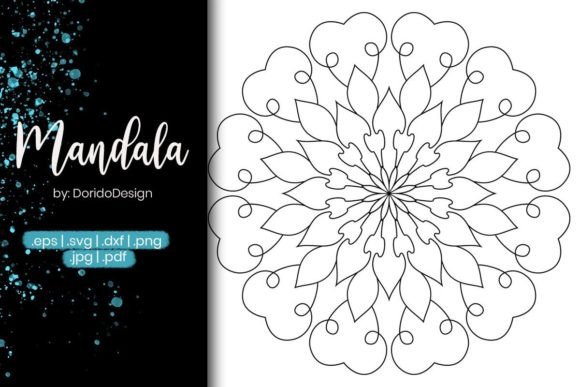
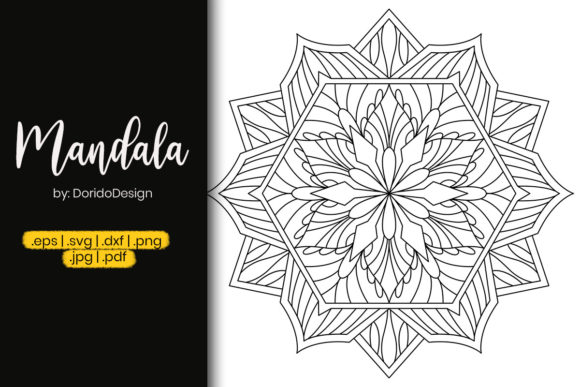
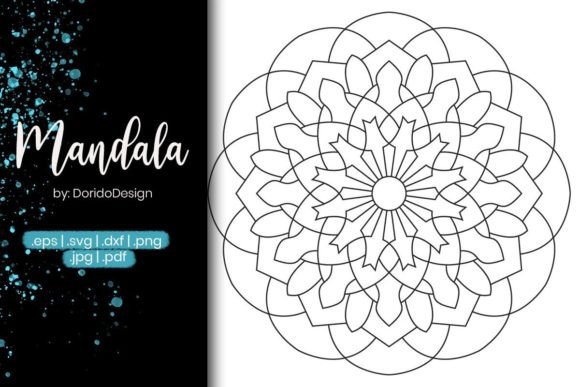
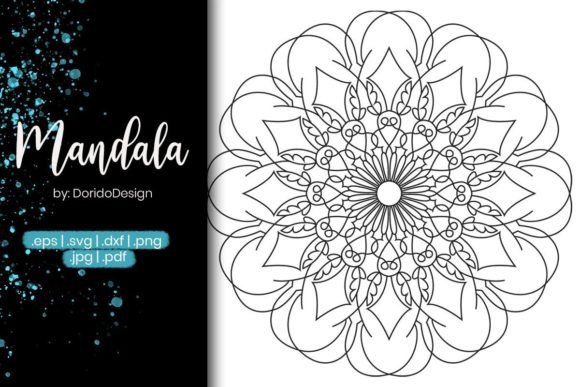
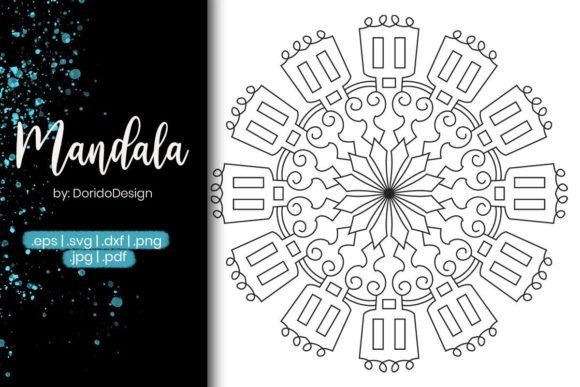
Let’s talk about using Mandala Coloring Page Vol.42 in real embroidery work. I’m looking at this design not just as a graphic, but as a potential machine embroidery file for a client’s custom tote bag. The first impression is one of serene complexity. It has that classic mandala layout—radiating symmetry, intricate patterns within each layer—but it feels open and inviting, not overwhelmingly dense. The visual personality is calm and decorative, perfect for a mindful, handmade product.
The Natural Fit for Stitched Projects
This design naturally belongs to projects where detail is appreciated but doesn’t need to shout. Imagine it embroidered on a linen pillow cover for a nursery, or as a central motif on a kitchen towel for a boutique. The balanced layout means it won’t look awkward on a curved surface like a cap, though you’d need to consider size carefully. For a baby item, like a blanket corner, it brings a gentle, artistic touch without being too busy. Its mood is universal, making it a strong candidate for personalized gifts—a wedding gift apron with the couple’s initials integrated, or a holiday sweatshirt with seasonal thread colors.
Where It Performs Brilliantly
In real-life embroidery situations, Mandala Coloring Page Vol.42 shines on stable, medium-weight fabrics. On a tote bag, the satin stitch borders would define the layers beautifully, adding tangible product value. As an embroidered patch, it could become a signature item for a small shop, enhancing brand consistency through its recognizable, professional look. For Etsy sellers, this design translates well into printable mockups for digital product previews, suggesting a finished product that feels cohesive and high-quality. On apparel like t-shirts or sweatshirts, especially for craft fair products, it offers visual appeal that engages buyers looking for something unique but not overly bold.
The level of detail here suggests it would stitch with clarity on light fabrics, where thread color contrast can be fully appreciated. I’d lean towards using it for projects that aren’t subjected to extremely frequent washing, as very dense stitch areas in the patterned layers might hold up better on decor items. For commercial embroidery projects, like a series of tea towels for a boutique, it creates a line of merchandise with a harmonious, giftable aesthetic.
Points for Careful Consideration
This is where practical design judgment comes in. Mandala Coloring Page Vol.42 should be used carefully on very small hoop sizes. Those intricate corners and decorative accents could lose definition if scaled down too much for a tiny baby clothes motif. On textured or stretchy fabric, like some sweatshirt materials, the fill stitch areas might require a robust stabilizer choice to maintain shape. Dark fabric backgrounds would demand a thoughtful thread palette to ensure the design’s intricacy doesn’t vanish.
I wouldn’t immediately throw this onto a thin, layered garment without testing. The stitch density inherent in a mandala’s repeating patterns needs to be reviewed on scrap fabric first to prevent puckering. There are no tiny lettering elements here, which is a plus, but the design’s success hinges on preserving the clarity of its layered rings. For products like caps with pronounced curves, a simplified version or careful placement would be key.
Affecting Your Craft Business
How does this embroidery file affect your work? Visually, a well-executed stitch of this mandala elevates the handmade presentation. It looks intentional and skilled, building customer trust. For digital product sellers offering this as a design asset, its clean structure makes it adaptable, boosting its value for other crafters. In a crowded marketplace, a design with this kind of balanced, professional artistry can improve buyer engagement—it feels like a complete, thoughtful design, not a clipart.
For your embroidery project planning, this design likely works for both personal and commercial projects, but you must confirm licensing before selling finished items. Its category as part of Coloring Pages Amp and Graphics suggests flexibility, but clarity on usage is essential.
Practical Notes for the Embroidery Designer
Before you commit thread to fabric, here’s my advice. Always test Mandala Coloring Page Vol.42 on scrap fabric first, ideally the same material as your final product. Check thread color contrast by running it through black and white mockups to see how the values hold up. Review the stitch density in the inner patterns—are they so tight they’ll challenge your machine or stabilizer?
Confirm your hoop size can accommodate the design at the scale you want, and inspect the small details in a sample run. Compare how it looks on light and dark fabric backgrounds; you might need different color sets for each. Use a proper stabilizer suited to your fabric texture—this isn’t a design you want to skimp on support. Finally, integrate these checks into your process whether you’re making a custom apparel piece for a client or stocking up for small shop merchandise. This approach turns a promising graphic like Mandala Coloring Page Vol.42 into a reliable, beautiful finished product.