A Designer's Take on the One Page Coloring Book Floral
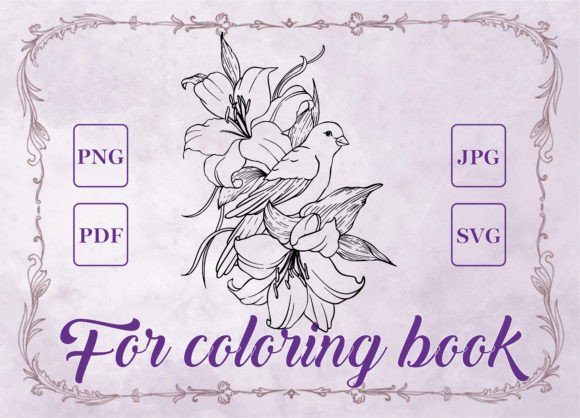
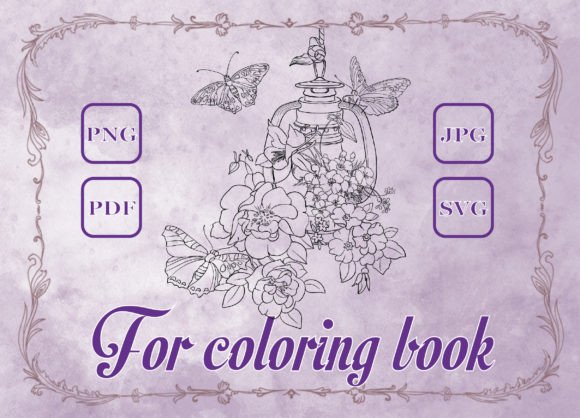
When a new embroidery design lands in your digital library, the first question isn't just "what is it?" but "where does it fit?" The One Page Coloring Book Floral Themed file prompts that exact practical inquiry. As a designer who evaluates graphics for real stitching and client projects, my immediate impression is of a cohesive, gentle composition. It's not a scattered bouquet but a single-page layout that feels intentional—a complete scene rather than isolated elements. The mood is soft, approachable, and inherently decorative.
The Natural Fit: Where This Floral Flourishes
This design’s layout and detail level make it a prime candidate for medium-sized focal points on personalized gifts and boutique products. I pictured it immediately on a linen tote bag or a cotton pillow cover for a nursery. The floral theme, with its connected composition, lends itself to projects where you want a singular, charming statement rather than repetitive patterning.
Imagine a custom embroidered sweatshirt for a spring-themed small shop. The One Page Coloring Book Floral, stitched on the chest, offers a ready-made, wholesome graphic that doesn’t require you to assemble multiple elements. For an Etsy seller creating a line of kitchen towels or aprons, this design provides a consistent visual anchor across products, aiding brand consistency. Its personality is friendly and versatile—not overly formal, making it excellent for craft fair products aiming for a wide appeal.
Visual Appeal and Stitching Considerations
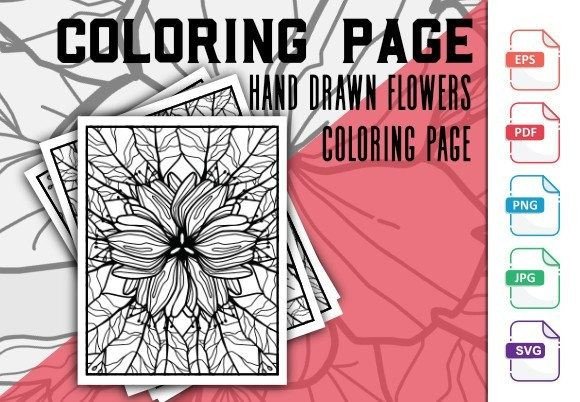
The true test of any embroidery file is how it translates from screen to stitches. The provided file formats—especially the vector files—are a strong starting point for scaling. However, the "coloring book" style implies outlines and fill areas. In machine embroidery, this means paying close attention to stitch density for the larger floral fills and the finer running stitches for outlines.
On a practical project, like a baby embroidery item on a cotton blanket, the design’s clarity will hinge on thread color contrast. I’d advise testing it on scrap fabric first, particularly checking how the smaller leaf and stem details render. On light fabrics, with a thoughtful color palette, it will sing. On dark fabric, you'll need to ensure the fill stitches are dense enough to prevent the background from showing through and compromising the visual appeal.
Where to Exercise Caution
While versatile, this design has areas where a designer must be cautious. The connected, page-filling layout means it’s not ideal for very small hoop sizes. Attempting to shrink it for a cap or a tiny baby bib might compress the details into a muddled knot. Similarly, on highly textured fabrics like thick towels or on stretchy fabric like t-shirts, the larger fill areas might require extra stabilizer and careful tension settings to avoid puckering.
The design likely contains some detailed corners and junctions where flowers meet stems. On products destined for frequent washing, like apparel, consider reinforcing these areas in your stitch-out or opting for a slightly simplified version if your software allows. The charm is in the detail, but durability is key for customer trust in a handmade product.
Elevating Your Product's Value
From a business perspective, using a design like this effectively increases product value. It presents as a complete, professional graphic, which elevates the perceived craftsmanship of the finished item. For a small shop product like an embroidered tea towel set, this contributes to a polished, giftable presentation. Customers recognize a coherent, attractive design—it feels intentional, which enhances buyer engagement in your Etsy listings or printable mockups.
It’s also a smart asset for commercial embroidery projects where a client requests a floral motif for a wedding gift or boutique merchandise. The single-page nature speeds up the design selection process; it’s a ready-to-use unit.
Practical Designer Notes Before You Hoop
Before committing this design to a client’s apron or a holiday gift, run through these real-use checks. First, test the design on scrap fabric identical to your final project fabric. Observe the stitch density—does it feel too thick for a lightweight garment? Are the smallest details crisp?
Second, check thread color contrast not just on screen, but in physical samples. How does a pastel palette versus a vibrant one change the feel? Third, inspect it in black and white mockups to understand its form without color. This helps assess its suitability for both light and dark backgrounds.
Always use proper stabilizer for your specific fabric. For a project like an embroidered patch using this floral, a firm stabilizer is crucial to maintain the design’s shape. Finally, a critical step for any digital embroidery file: confirm the licensing before selling finished items. The product description lists the file formats you’ll receive, but the terms of use for personal and commercial projects are something you must verify independently with the seller or distributor. This protects your craft business and ensures professionalism.
The One Page Coloring Book Floral Themed isn't just another graphic; it's a potential centerpiece for a range of heartfelt and marketable projects. Its success lies in matching its gentle, complete layout with the right fabric, scale, and purpose. With thoughtful testing and application, it can become a reliable asset in your design library, stitching out not just flowers, but confidence in your finished product.