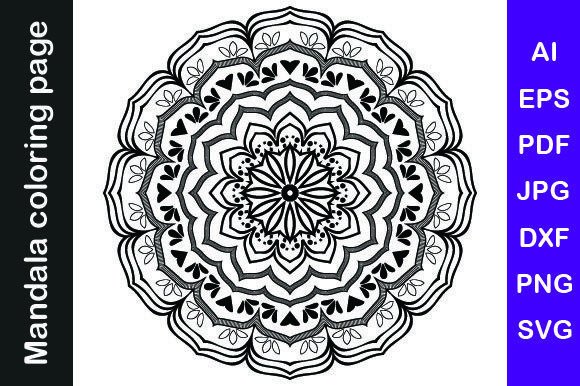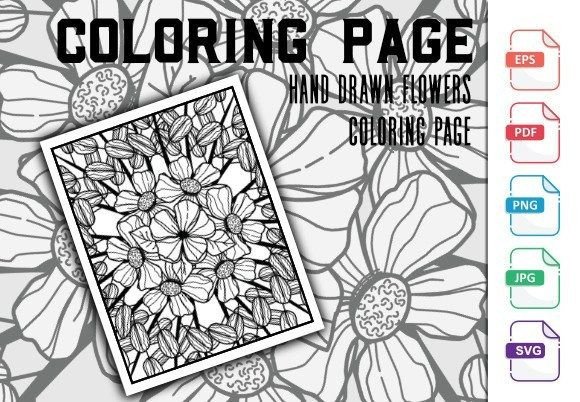
Hand Drawn Coloring Page Designs for Stitched Projects
When I download a digital embroidery design, the first thing I do is picture it stitched. I’m not just looking at pixels; I’m imagining thread on fabric, the final product in a customer’s hands. The Hand Drawn Coloring Book Page bundle landed in my studio with that exact purpose. Let’s walk through what it means for real embroidery work, from my design table to a finished item on a shelf.
The First Impression: A Casual, Creative Mood
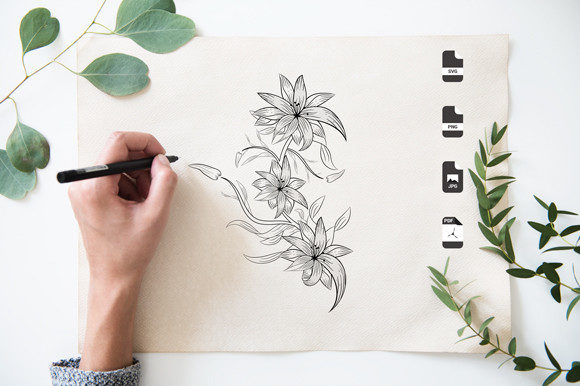
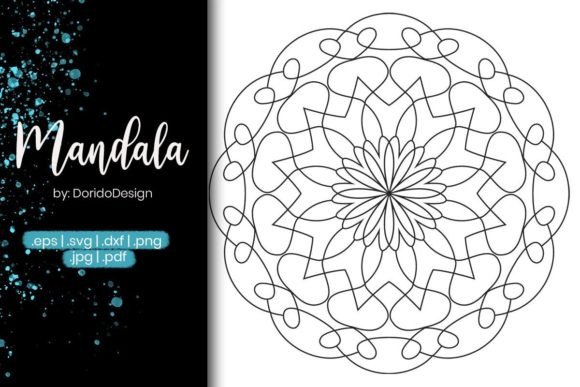
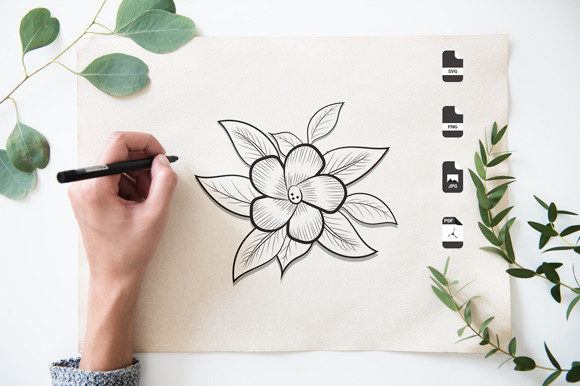
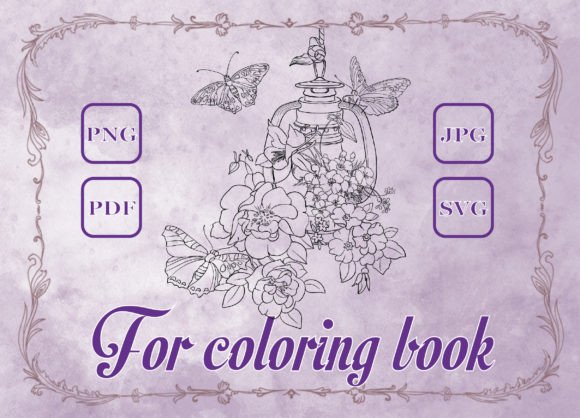
The overall feel here is friendly and approachable. The lines aren’t rigid or overly technical; they have that sketched, organic quality you’d find in an actual coloring book. This creates a specific mood: playful, a bit nostalgic, and wonderfully human. It doesn’t scream “mass-produced.” Instead, it whispers “handmade.” For embroidery designers and crafters, that’s a valuable starting point. The visual personality leans towards gifts, casual apparel, and products where warmth matters more than corporate precision.
Looking at the shapes and layout, I see designs that would translate beautifully into embroidery. The themes are classic and versatile. They naturally belong on items like a child’s tote bag, a cozy pillow cover for a nursery, or a personalized kitchen apron. The detail level appears balanced—not so sparse that it looks empty, not so dense that it becomes a stitching marathon. This is key for maintaining clarity in the final embroidered product.
Where This Design Thrives in Real Projects
Picture a custom order for a baby’s birthday. A client wants something unique for a little sweatshirt. A coloring page-style design, stitched in soft pastel threads on cotton, hits exactly that sweet spot. It’s personal, gentle, and feels like a drawing come to life. That’s one perfect scenario for this bundle.
More broadly, the Hand Drawn Coloring Book Page excels across a range of real-life embroidery situations:
- Custom Apparel: T-shirts, sweatshirts, and baby clothes where a softer, artistic look is preferred over bold logos.
- Home & Gift Items: Pillow covers, tea towels, blankets, and nursery decor. These designs add a sketch-like charm that elevates simple household goods.
- Boutique Merchandise: For Etsy sellers and small shop owners, these files can become the centerpiece of a tote bag, an apron, or a simple patch. The handmade presentation is inherent.
- Personalized Products: As wedding gifts, holiday presents, or keepsakes, the hand-drawn aesthetic increases the giftability and emotional resonance.
- Commercial Embroidery Projects: For businesses serving clients, this style fits requests for playful branding, event souvenirs, or family-oriented products.
The provided file formats—PNG, JPEG, EPS, SVG, PDF—cover the needs for both digital previews and machine embroidery file conversion. Using the vector files (EPS, SVG) allows for clean scaling, which is crucial when adapting the design for different hoop sizes and products.
A Practical Scenario: Preparing a Embroidered Tote Bag
Let’s get specific. I’m thinking through using one of these designs for a canvas tote bag I plan to sell at a craft fair. My process starts with the image on screen, but it immediately jumps to practical questions.
How will the sketched lines look as satin stitch or a running stitch outline? Will the open, coloring-book style areas allow for pleasing fill stitches without becoming too heavy for the fabric? On a tote bag that will see daily use, stitch density matters for durability. The casual style of this design suggests I might lean towards a combination of detailed outlines and lighter fill areas, which would be both visually appealing and structurally sound on the fabric.
Customer reaction is next. This style feels authentic. It builds customer trust because it doesn’t look generic. For a creative entrepreneur, that builds brand consistency if your shop specializes in a warm, artistic vibe. It engages buyers looking for something that feels crafted, not just manufactured.
Caution and Consideration: Where to Use Care
No design is universally perfect. The hand-drawn character of this bundle means some elements might need extra attention in certain contexts.
- Very Small Hoop Sizes: If reduced drastically, some of the sketched details might lose their clarity and become muddy. Test scaling first.
- Textured or Stretchy Fabrics: On thin knits or highly textured linen, the organic lines might not hold their definition as sharply without the right stabilizer.
- Dark Fabric Backgrounds: The playful mood often pairs best with lighter fabrics. On dark garments, you’d need to plan thread color contrast carefully to maintain the light, sketching feel.
- Curved Surfaces: On caps or hats, the layout might need adjustment to fit the curve without distorting the charming, casual composition.
- Products for Frequent Washing: For items like kitchen towels, consider reinforcing any very fine details to ensure longevity.
The key is adaptation. This isn’t a design for rigid, corporate uniformity; it’s for projects where its personality can shine through with a bit of thoughtful setup.
Embroidery Designer Notes for a Smooth Project
Before I commit any design to a final project, I run through a checklist. Here’s what I’d recommend for the Hand Drawn Coloring Book Page:
- Test on Scrap Fabric First. Always. Use the same material you plan for the final product. See how the lines translate into stitches.
- Check Thread Color Contrast. The sketched style often benefits from a subtle palette, but ensure your chosen colors stand clearly against the background.
- Review Stitch Density in Your Software. Before hooping, look at how the design is built. Are there areas that will become too thick? Can you adjust fill stitch patterns if needed?
- Confirm Your Hoop Size. Scale the design in your embroidery software to match your intended hoop. Does it look clear and balanced at that size?
- Inspect Small Details. Zoom in. Are there tiny corners or intersections that might need a slight tweak for clean stitching?
- Test in Black and White Mockups. Sometimes viewing a design without color helps you see its structural form clearly.
- Compare Light and Dark Backgrounds. If you plan to use it on various fabrics, preview it on both to plan your thread strategies.
- Use Proper Stabilizer. This is non-negotiable for preserving the integrity of those hand-drawn lines on any fabric.
- Clarify Licensing for Your Use. The product description lists the files you receive, but always confirm the license terms yourself before selling finished items or incorporating the design into commercial embroidery projects. This protects your craft business.
The Final Stitch: Adding Value and Appeal
When an embroidery design like this is used thoughtfully, it elevates everything. The visual appeal is direct and emotional. Stitching clarity, when managed well, translates that sketched charm into tangible texture. The product value increases because it feels unique and crafted. For a small business owner or Etsy seller, that builds professionalism and buyer engagement—customers recognize the care involved.
In my view, the Hand Drawn Coloring Book Page bundle is a strong design asset for embroidery designers who operate in the space of heartfelt, personalized goods. It’s not a one-size-fits-all solution for every commercial embroidery project, but where it fits—on a gift, on casual apparel, on home decor—it brings a warmth that thread and fabric can beautifully express. My advice is to match its playful spirit with your project choice, prepare with practical diligence, and let that hand-drawn personality shine through in your finished product.